HYR hyrcnc Intelligent CNC Solutions

Case Study

Mold & Die Case Study 08 / 15

Precision Punch Machining Case Study

Punch components are the most critical consumable parts in stamping dies.
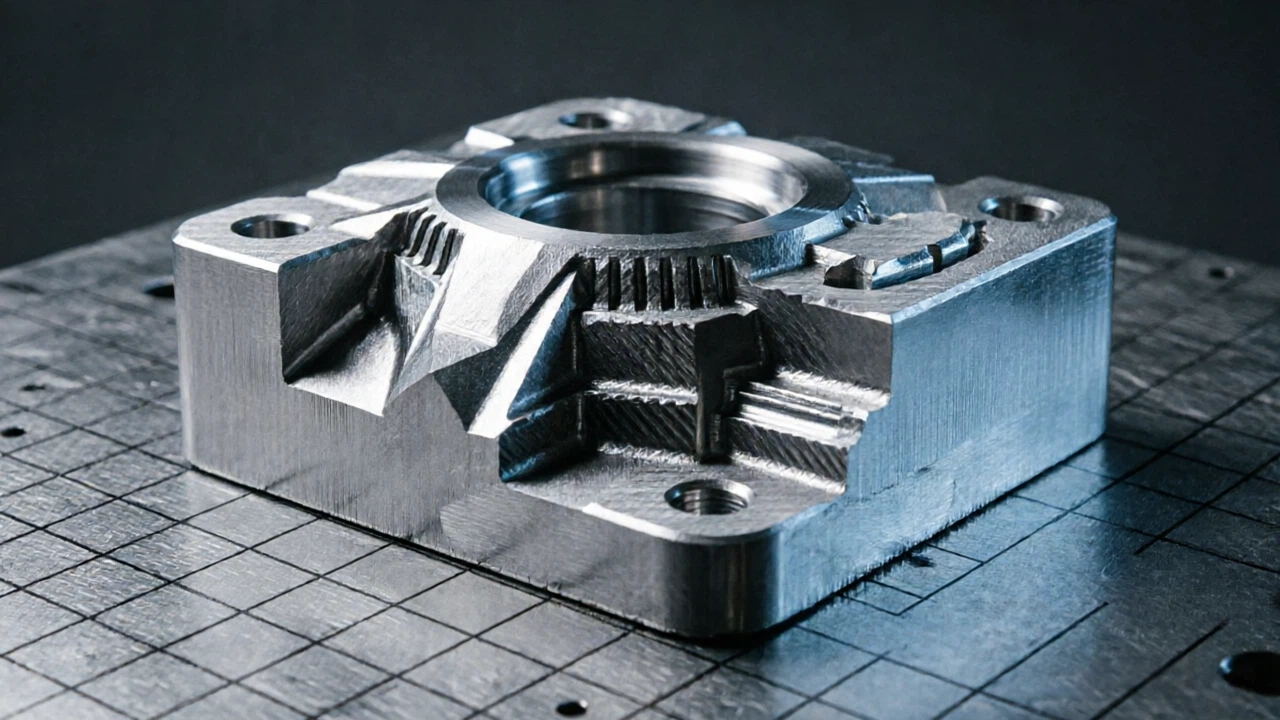
precision punch machining case studymold die cnc machiningcnc machine for mold manufacturing
Precision Punch Machining Case Study

Project Overview

Standard case data fields.

Industry Stamping / Tool & Die
Product Precision Punch
Material SKD11 / DC53 / D2 / M2 / Tungsten Carbide
Process CNC Milling + Wire EDM + Grinding + Heat Treatment
Machine Model HYR VMC850 / VMC1060
Tolerance +/-0.002-0.005 mm
Surface Finish Project based
Application Automotive Stamping / Electronics / Connectors / EV Parts

Customer Requirements

What the customer needed

The customer is a high-volume automotive stamping supplier producing: EV battery bracket components Automotive structural plates Electrical connector housings Industrial stamped parts Annual consumption:

Challenges

Machining difficulty

Punch components are small but extremely demanding. They combine: Ultra-High Hardness+Sharp Cutting Edge+Micron-Level Precision+Impact Load Resistance

HYR CNC Solution

Machine configuration

Machine: HYR VMC or gantry CNC system selected according to mold size, steel hardness and accuracy target
Process: Rough machining, stress relief, semi-finishing, EDM support, polishing preparation and inspection
Accuracy Control: Thermal stability, fixture rigidity, finishing allowance control and CMM inspection
Cost Method: Published with existing website assets first to keep implementation cost low

Machining Process

Timeline from raw material to inspection.

01 Material preparation
02 Rough machining
03 Stress relief
04 Finish machining
05 Inspection

Full Case Article

Machining background, difficulty and solution logic.

Quick Facts

Item

Details

Industry Stamping / Tool & Die Product Precision Punch Materials SKD11 / DC53 / D2 / M2 / Tungsten Carbide Process CNC Milling + Wire EDM + Grinding + Heat Treatment Machine HYR VMC850 / VMC1060 Tolerance +/-0.002-0.005 mm Application Automotive Stamping / Electronics / Connectors / EV Parts

Introduction

Punch components are the most critical consumable parts in stamping dies.

They directly contact the sheet metal and are responsible for: Cutting Piercing Forming Shaping In mass production systems: Punch WearProduct Quality DegradationProduction Downtime Therefore: Precision Punch=Core Consumable Element of Stamping System

What Is A Precision Punch?

A precision punch is a hardened tool steel component used to apply force on sheet metal in stamping operations.

Basic structure: Punch HeadPunch BodyCutting EdgeGuiding Section During operation: Punch DescendsContacts Sheet MetalShearing / FormingMaterial Separation

Customer Background

The customer is a high-volume automotive stamping supplier producing: EV battery bracket components Automotive structural plates Electrical connector housings Industrial stamped parts Annual consumption: 50,000+ punch replacements per year Key requirements: Extremely high wear resistance Stable dimensional accuracy Long tool life High repeatability Fast replacement capability

Why Precision Punch Machining Is Difficult

Punch components are small but extremely demanding.

They combine: Ultra-High Hardness+Sharp Cutting Edge+Micron-Level Precision+Impact Load Resistance

Challenge 1

Edge Sharpness Requirement Cutting edge must be: Extremely sharp Burr-free Consistent across batch Any defect leads to: Burr formation Product deformation Scrap increase

Challenge 2

Machining becomes extremely difficult.

Ultra-High Hardness Materials Common materials: 60-65 HRC (SKD11 / D2 / DC53) Or even: Tungsten Carbide (extreme wear resistance)

Challenge 3

Micron-Level Precision Punch must fit perfectly into die clearance: Clearance: 0.005-0.02 mm Even small deviation causes: Jamming Excess wear Die damage

Challenge 4

High Impact Load During stamping: Tons of Force per Stroke Leading to: Edge chipping Micro cracking Fatigue failure

Blanking Punch

Function: Cutting Outer Shape

Piercing Punch

Function: Hole Formation

Forming Punch

Function: Plastic Deformation of Metal

Progressive Punch

Function: Multi-Stage Continuous Stamping

SKD11

Advantages: High Wear ResistanceStable Hardness Applications: General stamping punches

DC53

Advantages: Better Toughness than SKD11Reduced Chipping Risk Applications: Automotive stamping

D2 Steel

Advantages: Long Tool LifeHigh Hardness Applications: High-volume production

Tungsten Carbide

Advantages: Extreme Wear ResistanceUltra-Long Life Applications: High-precision electronics stamping

HYR VMC850

Best for: Small precision punches High-detail cutting edges

HYR VMC1060

Best for: Automotive punches Medium structural components

Step 1

Material Preparation Hardened steel rods Carbide blanks

Step 2

Rough Machining Remove: 60-75% Material

Step 3

Heat Treatment Achieve: 60-65 HRC hardness

Step 4

Precision Grinding Outer diameter control Straightness correction

Step 5

CNC Finish Machining Requirement: +/-0.002-0.005 mm

Step 6

Wire EDM Cutting Used for: Sharp cutting edges Complex punch profiles

Step 7

Polishing & Edge Finishing Ensures: Burr-free cutting edge Smooth surface contact

Micrometer Inspection

Ensures: Diameter accuracy Tolerance control

CMM Inspection

Ensures: Geometry precision Alignment accuracy

Edge Sharpness Inspection

Ensures: No burrs No micro cracks

Hardness Testing

Ensures: Heat treatment quality

Results

Item

After HYR CNC optimization: Before After Tool Life 100% +40% Accuracy +/-0.01 mm +/-0.003 mm Edge Defect Rate High Very Low Replacement Frequency High Reduced 30% Production Stability Medium High

Industrial Impact

Precision punches directly impact: Automotive stamping efficiency EV structural part quality Connector reliability Mass production stability

HYR VMC850

Precision punch machining

HYR VMC1060

Automotive stamping punches

Related Articles

Progressive Die Machining Case Study Die Casting Mold Machining Case Study Mold Core Machining Case Study Mold Cavity Machining Case Study Stamping Die System Overview

What is a precision punch?

A hardened tool used to cut, pierce, or form sheet metal in stamping operations.

Why is it important?

It directly affects stamping accuracy and production quality.

What materials are used?

SKD11, DC53, D2, tungsten carbide.

What is the main challenge?

Maintaining sharp edges under extreme impact loads.

Conclusion

Precision punches are the most critical consumable components in stamping systems.

They require extreme hardness, micron-level precision, and high durability.

With advanced CNC machining and precision engineering capability, HYR CNC delivers high-performance punch manufacturing solutions for global stamping industries.

Results

Before and after machining improvement.

ItemBeforeAfter
Result 1Before optimizationAfter HYR CNC optimization:
Result 2Before optimizationTool Life
Result 3Before optimization100%

FAQ

Common buyer questions for this case.

What is this mold case about?

This page covers precision punch requirements, machining difficulty, process planning and machine selection.

Which machines are recommended?

HYR VMC850, VMC1060, VMC1165 and gantry CNC systems are selected according to mold size and machining difficulty.

Can HYR-CNC support similar mold projects?

Yes. Send drawings, mold steel, tolerance, surface finish and mold size for a suitable machining proposal.

Recommended Machines

Related Articles

Similar Case Studies

More Mold & Die machining proof.

Mold SEO Cluster

Related mold manufacturing resources.

Automatic internal links connect this case study with the Mold & Die hub, related case studies and core technical articles.

Request Quote

Need a similar CNC machining solution?

Send your drawing, material, tolerance, surface finish and production volume. HYR-CNC will recommend the right machine configuration and machining proposal.

Start Machine Selection

Related Links