HYR hyrcnc Intelligent CNC Solutions

Case Study

Mold & Die Case Study 12 / 15

Optical Mold Machining Case Study

Optical molds are used to manufacture components that control, reflect, or transmit light.
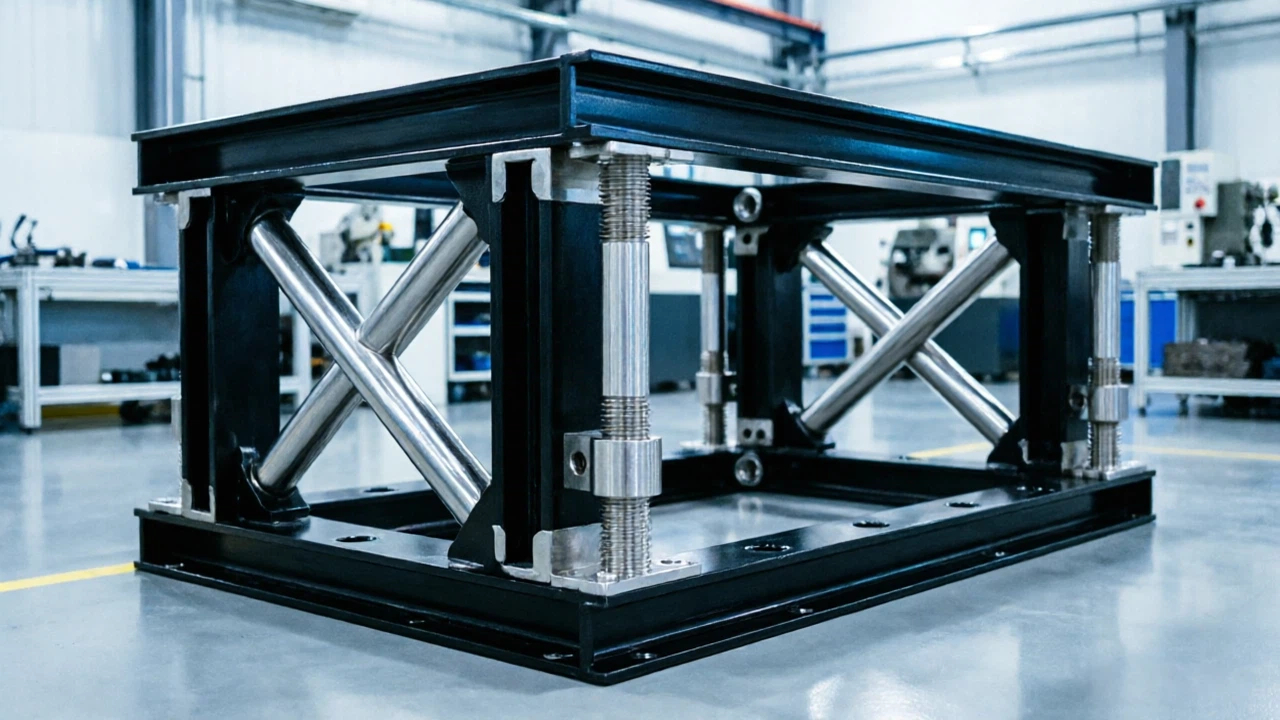
optical mold machining case studymold die cnc machiningcnc machine for mold manufacturing
Optical Mold Machining Case Study

Project Overview

Standard case data fields.

Industry Optical / Precision Mold & Die
Product Optical Injection Mold
Material S136 / NAK80 / 1.2343 / Optical Steel
Process Ultra-Precision CNC + EDM + Mirror Polishing + Laser Measurement
Machine Model HYR VMC850 (Ultra-Precision Config)
Tolerance +/-0.001-0.003 mm
Surface Finish Ra0.05-0.2 (Optical Grade)
Application Lens / Light Guide Plate / Display Components / Automotive Lighting

Customer Requirements

What the customer needed

The customer is a global optical product manufacturer producing: LED light guide plates Smartphone camera components Automotive headlamp lenses Display diffusion panels Annual production:

Challenges

Machining difficulty

Optical molds combine: Nano-Level Surface Finish+Ultra-Precision Geometry+Light Behavior Engineering+Zero Defect Requirement Because it requires nano-level surface quality and zero defects.

HYR CNC Solution

Machine configuration

Machine: HYR VMC or gantry CNC system selected according to mold size, steel hardness and accuracy target
Process: Rough machining, stress relief, semi-finishing, EDM support, polishing preparation and inspection
Accuracy Control: Thermal stability, fixture rigidity, finishing allowance control and CMM inspection
Cost Method: Published with existing website assets first to keep implementation cost low

Machining Process

Timeline from raw material to inspection.

01 Material preparation
02 Rough machining
03 Stress relief
04 Finish machining
05 Inspection

Full Case Article

Machining background, difficulty and solution logic.

Quick Facts

Item

Details

Industry Optical / Precision Mold & Die Product Optical Injection Mold Materials S136 / NAK80 / 1.2343 / Optical Steel Process Ultra-Precision CNC + EDM + Mirror Polishing + Laser Measurement Machine HYR VMC850 (Ultra-Precision Config) Tolerance +/-0.001-0.003 mm Surface Finish Ra0.05-0.2 (Optical Grade) Application Lens / Light Guide Plate / Display Components / Automotive Lighting

Introduction

Optical molds are used to manufacture components that control, reflect, or transmit light.

Unlike standard molds: Industrial Mold -> FunctionalityOptical Mold -> Light Behavior Control They directly determine: Light clarity Diffusion pattern Optical uniformity Visual quality

What Is An Optical Mold?

An optical mold is a high-precision injection mold used to produce optical-grade plastic components with controlled light behavior.

Optical Mold BaseUltra-Precision CoreOptical Cavity SurfaceMicro Texture SurfaceMirror Polished Interface

Light Transmitting Material InjectionControlled CoolingSurface Optical ReplicationFinal Light Behavior Output

Typical structure: During production:

Customer Background

The customer is a global optical product manufacturer producing: LED light guide plates Smartphone camera components Automotive headlamp lenses Display diffusion panels Annual production: 200M+ optical components per year Key requirements: Zero optical distortion Uniform light diffusion Nano-level surface precision Absolute consistency No visible machining marks

Why Optical Mold Machining Is Extremely Difficult

Nano-Level Surface Finish+Ultra-Precision Geometry+Light Behavior Engineering+Zero Defect Requirement

Optical molds combine:

Challenge 1

Nano Surface Finish Requirement Optical surfaces require: Ra 0.05 - 0.2 Even microscopic scratches cause: Light scattering Visual distortion Product rejection

Challenge 2

Any defect becomes visible under light.

Mirror-Level Surface Control Surface must behave like: Optical mirror Light diffusion layer Transparent interface

Challenge 3

Micro-Geometry Precision Optical structures include: Micro lens arrays Light guide patterns Diffusion micro dots Tolerance: +/-0.001 mm level control

Challenge 4

Material Optical Stability Materials must ensure: Transparency UV resistance Low distortion

Light Guide Plate Mold

Function: Even Light Distribution Across Surface Used in: TVs Monitors LED panels

Automotive Lens Mold

Function: Headlight Beam Control Used in: LED headlights Taillights

Diffusion Plate Mold

Function: Light Softening & Uniformity Used in: Displays Backlight systems

Micro Lens Array Mold

Function: Optical Focusing & Imaging Control Used in: AR/VR Camera modules

S136 Steel

Advantages: Mirror Polish CapabilityHigh Corrosion ResistanceOptical Stability

NAK80

Advantages: Excellent Mirror FinishStable Machining Behavior

1.2343 Steel

Advantages: High Thermal StabilityGood Wear Resistance

Optical Grade Steel

Advantages: Ultra-High Surface Finish Capability

HYR VMC850 Ultra-Precision

Best for: Micro optical surfaces Lens structures High-precision cavity finishing Key features: Vibration control Thermal stability system High-speed micro finishing

Step 1

Optical Material Preparation Pre-polished steel blocks Stress-free materials

Step 2

Ultra-Fine Rough Machining Remove: 50-70% Material (Controlled)

Step 3

Stress Relief Treatment Eliminate: Micro deformation Internal stress

Step 4

High-Precision CNC Finishing Requirement: +/-0.001-0.003 mm

Step 5

Micro EDM Processing Used for: Micro textures Optical patterns

Step 6

Mirror Polishing Process Achieve: Ra 0.05-0.2 Optical Grade Surface

Step 7

Laser Surface Inspection Ensures: No micro scratches No surface deviation

Optical Surface Measurement

Ensures: Light reflection consistency Surface uniformity

CMM Nano Inspection

Ensures: Geometry accuracy Micro deviation control

Light Simulation Test

Ensures: Optical performance validation

Results

Item

After HYR CNC optimization: Before After Surface Quality Ra0.4 Ra0.05-0.2 Optical Uniformity Medium High Defect Rate 2.0% 0.05% Light Consistency Inconsistent Stable Yield Rate 85% 98%+

Industrial Impact

They define the visual world quality standard.

Optical molds directly affect: Display quality Automotive lighting safety Camera performance AR/VR experience

HYR VMC850 Ultra Precision

Optical lens & micro structures

HYR VMC1060

Large optical plates & lighting systems

Related Articles

Medical Mold Machining Case Study Injection Mold Machining Case Study Hot Runner Mold Case Study Die Casting Mold Machining Case Study Mold Core Machining Case Study

What is an optical mold?

A high-precision mold used to control and shape light behavior in plastic components.

Why is it difficult?

Because it requires nano-level surface quality and zero defects.

What materials are used?

S136, NAK80, 1.2343, optical steel.

What is the main challenge?

Achieving mirror-level surfaces without microscopic defects.

Conclusion

Optical molds represent the highest level of surface precision manufacturing.

They require nano-scale accuracy, perfect mirror finishing, and strict optical performance control.

With ultra-precision CNC machining capability, HYR CNC delivers world-class optical mold solutions for advanced lighting and imaging industries.

Results

Before and after machining improvement.

ItemBeforeAfter
Result 1Before optimizationAfter HYR CNC optimization:
Result 2Before optimizationSurface Quality
Result 3Before optimizationRa0.4

FAQ

Common buyer questions for this case.

What is this mold case about?

This page covers optical injection mold requirements, machining difficulty, process planning and machine selection.

Which machines are recommended?

HYR VMC850, VMC1060, VMC1165 and gantry CNC systems are selected according to mold size and machining difficulty.

Can HYR-CNC support similar mold projects?

Yes. Send drawings, mold steel, tolerance, surface finish and mold size for a suitable machining proposal.

Recommended Machines

Related Articles

Similar Case Studies

More Mold & Die machining proof.

Mold SEO Cluster

Related mold manufacturing resources.

Automatic internal links connect this case study with the Mold & Die hub, related case studies and core technical articles.

Request Quote

Need a similar CNC machining solution?

Send your drawing, material, tolerance, surface finish and production volume. HYR-CNC will recommend the right machine configuration and machining proposal.

Start Machine Selection

Related Links