HYR hyrcnc Intelligent CNC Solutions

Case Study

Mold & Die Case Study 06 / 15

Mold Base Machining Case Study

A mold base is a pre-assembled steel structure that holds all functional mold components together.
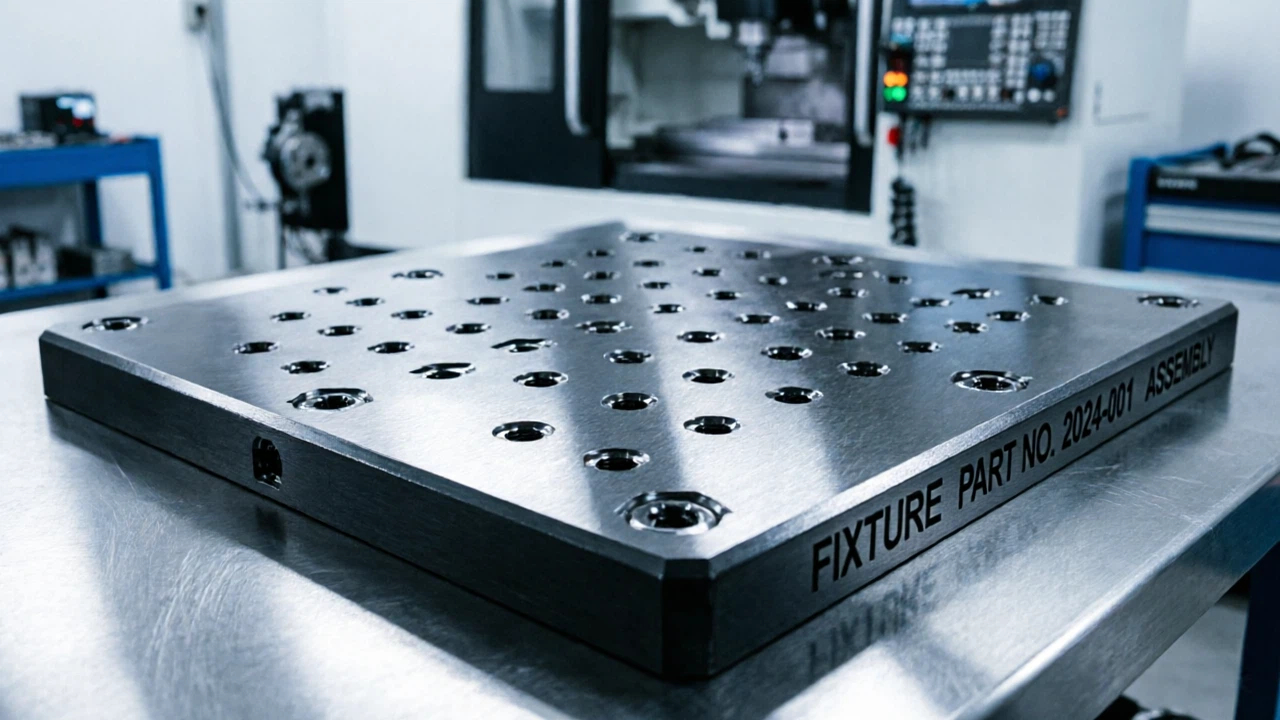
mold base machining case studymold die cnc machiningcnc machine for mold manufacturing
Mold Base Machining Case Study

Project Overview

Standard case data fields.

Industry Mold & Die / Tooling System
Product Mold Base
Material S50C / P20 / 45# Steel / Pre-hardened Steel
Process CNC Milling + Drilling + Tapping + Grinding
Machine Model HYR VMC1060 / VMC1165
Tolerance +/-0.01 mm (system level)
Surface Finish Project based
Application Injection Mold / Die Casting Mold / Automotive Mold

Customer Requirements

What the customer needed

The customer is a mold manufacturer producing: Automotive injection molds EV structural molds Die casting molds High-volume production molds Annual output:

Challenges

Machining difficulty

Although it looks simple, mold base machining determines the entire mold performance. It affects: Assembly PrecisionMold StabilityProduction CycleTool Life

HYR CNC Solution

Machine configuration

Machine: HYR VMC or gantry CNC system selected according to mold size, steel hardness and accuracy target
Process: Rough machining, stress relief, semi-finishing, EDM support, polishing preparation and inspection
Accuracy Control: Thermal stability, fixture rigidity, finishing allowance control and CMM inspection
Cost Method: Published with existing website assets first to keep implementation cost low

Machining Process

Timeline from raw material to inspection.

01 Material preparation
02 Rough machining
03 Stress relief
04 Finish machining
05 Inspection

Full Case Article

Machining background, difficulty and solution logic.

Quick Facts

Item

Details

Industry Mold & Die / Tooling System Product Mold Base Materials S50C / P20 / 45# Steel / Pre-hardened Steel Process CNC Milling + Drilling + Tapping + Grinding Machine HYR VMC1060 / VMC1165 Tolerance +/-0.01 mm (system level) Application Injection Mold / Die Casting Mold / Automotive Mold

Introduction

The mold base is the structural foundation of all mold systems.

If we compare a mold to a machine: Core + Cavity = Functional SurfaceMold Base = Structural Skeleton Without a stable mold base: Core cannot align Cavity cannot function Ejection system fails Cooling system becomes unstable

What Is A Mold Base?

A mold base is a pre-assembled steel structure that holds all functional mold components together.

Basic structure: Top PlateCore PlateCavity PlateSupport PlateBottom Plate It integrates: Core system Cavity system Ejection system Cooling system Alignment system

Customer Background

The customer is a mold manufacturer producing: Automotive injection molds EV structural molds Die casting molds High-volume production molds Annual output: 500+ mold base systems Main requirements: High rigidity Precise alignment Long-term stability Fast assembly Standardization compatibility

Why Mold Base Machining Is Critical

Although it looks simple, mold base machining determines the entire mold performance.

It affects: Assembly PrecisionMold StabilityProduction CycleTool Life

Challenge 1

Mold bases contain multiple steel plates.

Multi-Plate Alignment Accuracy Even small deviation causes: Core misalignment Cavity mismatch Product defects

Challenge 2

Deep Hole Drilling Precision Mold bases include: Cooling channels Ejection guide holes Alignment pin holes Problem: Deep Hole DeviationCooling Inefficiency

Challenge 3

Large Structure Deformation Large mold bases suffer from: Machining stress Clamping distortion Residual deformation

Challenge 4

Assembly Compatibility Mold bases must match: Standard mold components Core inserts Cavity systems Even small mismatch leads to: Assembly failure Production delay

Fixed Plate

Function: Support Cavity Side

Moving Plate

Function: Support Core Side

Support Plate

Function: Load Distribution

Ejection Plate

Function: Part Release System

Guide System

Function: Alignment Control Includes: Guide pillars Bushings

S50C Steel

Advantages: Good MachinabilityStable Structure Applications: Standard mold bases

P20 Steel

Advantages: Pre-hardenedGood Stability Applications: Medium-load molds

45# Steel

Advantages: Low CostEasy Machining Applications: Standard tooling bases

HYR VMC1060

Best for: Medium mold bases Automotive molds Advantages: Balanced rigidity High precision drilling

HYR VMC1165

Best for: Large mold bases EV structural molds Advantages: Heavy cutting Large travel

Step 1

Material Preparation Steel plates Pre-cut blocks

Step 2

Rough Milling Remove: 60-75% Material

Step 3

Stress Relief Reduce: Internal StressDeformation Risk

Step 4

Precision Drilling Guide holes Cooling channels Ejection holes

Step 5

Plate Surface Machining Flatness control Parallelism adjustment

Step 6

Tapping & Threading Fastener holes Assembly connections

Step 7

Finish Machining Requirement: +/-0.01 mm system tolerance

Step 8

Assembly Fitting Plate alignment Guide system check

Flatness Inspection

Ensures: Plate alignment Structural stability

Hole Position Inspection

Ensures: Guide accuracy Assembly compatibility

CMM Inspection

Ensures: Full system geometry

Assembly Test

Ensures: Smooth motion No interference

Results

Item

After HYR CNC optimization: Before After Alignment Accuracy +/-0.02 mm +/-0.01 mm Assembly Time 100% -25% Defect Rate 2.0% 0.2% Mold Stability Medium High Delivery Efficiency Standard +30%

Impact On Mold System

Mold base determines: Structural StabilityProduction EfficiencyTool Lifetime Without a good mold base: Core and cavity cannot perform properly Even high-precision machining becomes meaningless

HYR VMC1060

Standard mold bases

HYR VMC1165

Large structural mold bases

Related Articles

Injection Mold Machining Case Study Automotive Mold Machining Case Study Die Casting Mold Machining Case Study Mold Core Machining Case Study Mold Cavity Machining Case Study

What is a mold base?

A structural framework that holds all mold components together.

Why is mold base important?

It determines alignment accuracy and mold stability.

What materials are used?

S50C, P20, and 45# steel.

What is the main challenge?

Maintaining system-level precision across multiple plates.

Conclusion

The mold base is the structural foundation of all mold systems.

It ensures alignment, stability, and long-term performance of injection molds, die casting molds, and automotive tooling systems.

With high-precision CNC machining and stable manufacturing processes, HYR CNC delivers reliable mold base solutions for global tooling manufacturers.

Results

Before and after machining improvement.

ItemBeforeAfter
Result 1Before optimizationAfter HYR CNC optimization:
Result 2Before optimizationAlignment Accuracy
Result 3Before optimization+/-0.02 mm

FAQ

Common buyer questions for this case.

What is this mold case about?

This page covers mold base requirements, machining difficulty, process planning and machine selection.

Which machines are recommended?

HYR VMC850, VMC1060, VMC1165 and gantry CNC systems are selected according to mold size and machining difficulty.

Can HYR-CNC support similar mold projects?

Yes. Send drawings, mold steel, tolerance, surface finish and mold size for a suitable machining proposal.

Recommended Machines

Related Articles

Similar Case Studies

More Mold & Die machining proof.

Mold SEO Cluster

Related mold manufacturing resources.

Automatic internal links connect this case study with the Mold & Die hub, related case studies and core technical articles.

Request Quote

Need a similar CNC machining solution?

Send your drawing, material, tolerance, surface finish and production volume. HYR-CNC will recommend the right machine configuration and machining proposal.

Start Machine Selection

Related Links