HYR hyrcnc Intelligent CNC Solutions

Case Study

Aerospace Case Study 10 / 15

Turbine Disk Machining Case Study

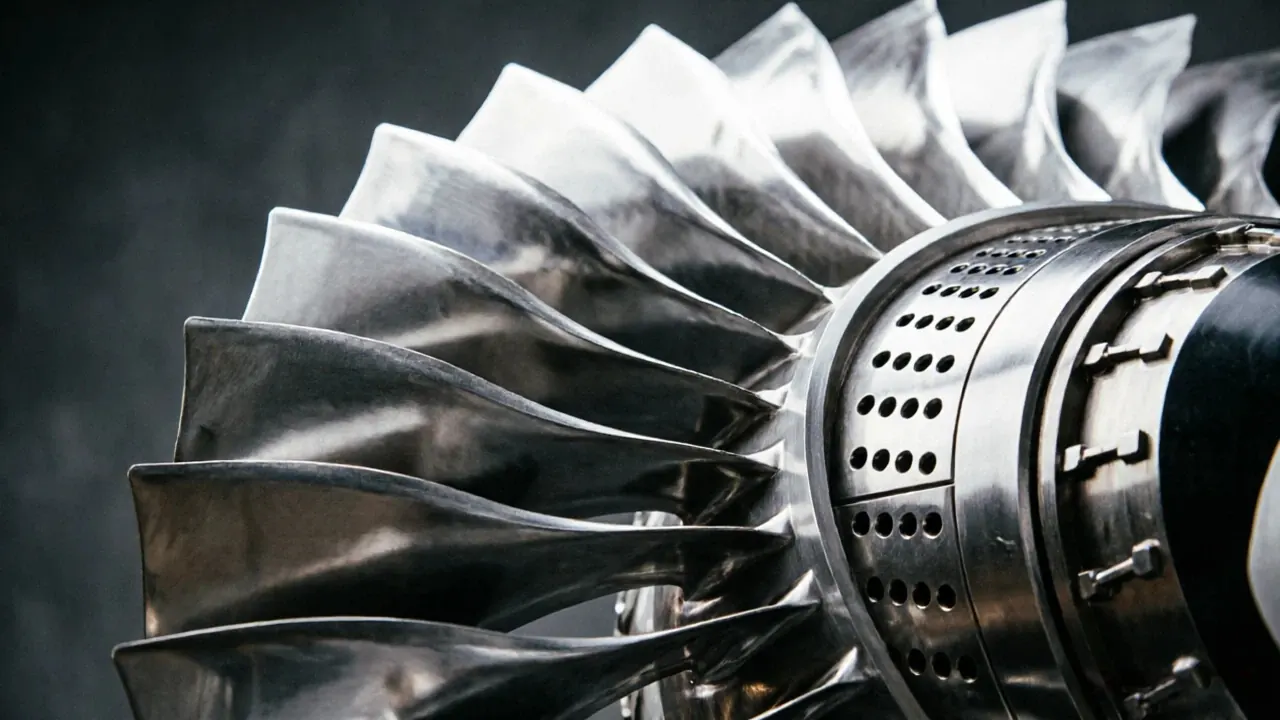
The turbine disk is one of the most heavily loaded rotating components inside an aircraft engine.

turbine disk machining case studyaerospace cnc machining5 axis aerospace machining
Turbine Disk Machining Case Study

Case Overview

Core project data for this machining case.

Industry Aerospace
Product Turbine Disk
Material Inconel 718 / Rene 88 / Ti-6Al-4V
Process Forging + Heat Treatment + CNC Machining
Machine Model HYR VMC1165 / HYR 5 Axis Machining Center
Tolerance +/-0.003 mm
Surface Finish Ra0.2-0.4
Application Aircraft Engines / Turbofan Engines / Military Engines

Problem

Machining problem to solve

Turbine disks combine: Superalloys+Deep Slots+Rotating Components+Ultra High Accuracy making them one of the most demanding aerospace parts. Traditional machining: Multiple SetupsPositioning ErrorLong Cycle Time Modern aerospace machining:

Solution

HYR-CNC machining plan

The customer manufactures: Turbine rotor assemblies Military engine components Industrial gas turbine parts Materials: Inconel 718Rene 88Ti-6Al-4V

Machine Used

Recommended machine configuration

Machine: HYR CNC machining center selected according to aerospace material, part size and tolerance
Process: Rough machining, semi-finishing, 5-axis finishing and inspection based on the document content
Accuracy Control: Rigid fixturing, thermal stability, deformation control and CMM inspection
Cost Method: Published with existing website assets first to keep implementation cost low

Process

Timeline from raw material to inspection.

01 Material preparation
02 Rough machining
03 Semi-finishing
04 5-axis finishing
05 Inspection

Full Case Article

Machining background, difficulty and solution logic.

Quick Facts

Item

Details

Industry Aerospace Product Turbine Disk Materials Inconel 718 / Rene 88 / Ti-6Al-4V Manufacturing Process Forging + Heat Treatment + CNC Machining Machine HYR VMC1165 / HYR 5 Axis Machining Center Tolerance +/-0.003 mm Surface Finish Ra0.2-0.4 Diameter 200-1200 mm Application Aircraft Engines / Turbofan Engines / Military Engines

Introduction

The turbine disk is one of the most heavily loaded rotating components inside an aircraft engine.

The disk connects turbine blades to the engine shaft and transfers enormous rotational energy.

Even microscopic defects may lead to catastrophic failure.

It acts as: Blade CarrierTorque Transmission ComponentHigh-Speed Rotor Typical operating conditions: Temperature500 degreesC900 degreesC Rotational speed: 10,000 RPM20,000 RPM At these conditions: For this reason: Turbine Disk=Critical Flight Safety Component

What Is A Turbine Disk?

A turbine disk is a precision-machined rotating component installed inside a gas turbine engine.

Typical assembly: Turbine BladeTurbine DiskEngine Shaft Its responsibilities include: Supporting blades Transmitting torque Maintaining rotor balance Withstanding centrifugal loads Resisting thermal fatigue

Customer Background

HYR CNC developed a dedicated turbine disk machining solution.

The customer manufactures: Turbine rotor assemblies Military engine components Industrial gas turbine parts Materials: Inconel 718Rene 88Ti-6Al-4V Main challenges: Deep fir-tree slots High-strength alloys Geometric accuracy Rotor balance Surface integrity

Why Turbine Disk Machining Is Difficult

making them one of the most demanding aerospace parts.

Turbine disks combine: Superalloys+Deep Slots+Rotating Components+Ultra High Accuracy

Challenge 1

Nickel-Based Superalloys Most turbine disks are manufactured from: Inconel 718Rene 88 Advantages: High-temperature strength Oxidation resistance Fatigue resistance Challenges: High Cutting ForceHeat GenerationTool Wear

Challenge 2

These features are among the most difficult geometries to machine.

Fir-Tree Slots A turbine blade is usually mounted through: Fir-Tree Root Structure: Blade RootFir Tree SlotDisk Requirements: Perfect fit No excessive clearance Excellent surface integrity

Challenge 3

Turbine disks rotate at extremely high speed.

Mass distribution must be strictly controlled.

Rotor Balance Small errors cause: Mass ImbalanceVibrationBearing DamageReduced Engine Life Therefore:

Challenge 4

This thermal cycling creates fatigue stress.

Machining quality directly affects fatigue life.

Thermal Fatigue Resistance During engine operation: HeatCoolingHeatCooling

Inconel 718

The most common turbine disk material.

Advantages: High StrengthHeat ResistanceOxidation Resistance Applications: Commercial engines Military engines

Rene 88

Advantages: Superior Creep ResistanceHigh Temperature Capability Applications: Advanced turbine systems Military propulsion

Ti-6Al-4V

Applications: Compressor disks Lightweight rotating assemblies Advantages: High StrengthLow Density

Why 5-Axis Machining Is Necessary

Traditional machining: Multiple SetupsPositioning ErrorLong Cycle Time Modern aerospace machining: 5 Axis CNCSingle SetupComplete Geometry Benefits: Better slot accuracy Improved surface finish Reduced cycle time Higher consistency

HYR VMC1165

Suitable for: Medium turbine disks Titanium rotor components Advantages: High rigidity Stable cutting Precision boring capability

HYR 5 Axis Machining Center

Suitable for: Fir Tree SlotsComplex Rotor FeaturesNickel Alloy Components Advantages: Simultaneous multi-axis machining High-speed contouring Superior geometric accuracy

Step 1

Improve grain flow.

Forging Produce: Near-net turbine disk blank

Step 2

Heat Treatment Improve: Strength Fatigue resistance Material stability

Step 3

Rough Machining Remove: 60%80%Material Machine: Outer diameter Bore features Basic geometry

Step 4

Semi-Finishing Machine: Blade mounting zones Rotor interfaces Precision surfaces

Step 5

Fir-Tree Slot Machining Machine: Blade Attachment Features Requirements: Tight fit Excellent consistency

Step 6

Finish Machining Requirement: Tolerance+/-0.003 mmSurface FinishRa0.2-0.4

Step 7

to ensure rotor stability.

Balancing Perform: Dynamic Balancing

Step 8

Inspection Verify: Slot geometry Balance Surface quality Material certification

Slot Geometry Inspection

Requirement: +/-0.003 mm Inspect: Fir-tree profile Surface integrity Contact surfaces

Surface Finish Inspection

Requirement: Ra0.2-0.4 Inspect: Roughness Tool marks Surface defects

Dynamic Balance Testing

Verify: Rotor StabilitySafe Operation

CMM Inspection

Verify: Geometric dimensions Concentricity Rotor features

Results

Item

After implementing HYR machining solutions: Before After Slot Accuracy +/-0.010 mm +/-0.003 mm Surface Finish Ra0.8 Ra0.2-0.4 Cycle Time 100% -30% Tool Life Baseline +25% Scrap Rate 1.2% 0.1% Customer benefits: Better rotor reliability Higher manufacturing consistency Improved fatigue life Reduced production costs

HYR VMC1165

Recommended for: Turbine disks Rotor components Aerospace structural parts

HYR 5 Axis Machining Center

Recommended for: Fir-tree slot machining Aerospace engine components Nickel alloy machining

Related Articles

Turbine Blade Machining Case Study Compressor Impeller Machining Case Study Blisk Machining Case Study Engine Casing Machining Case Study Titanium Machining Case Study

What is a turbine disk?

A turbine disk is a rotating component that supports turbine blades and transmits torque inside an aircraft engine.

Why are turbine disks difficult to machine?

Because they combine: High-strength superalloys Fir-tree slots Rotor balance requirements Tight tolerances

What materials are commonly used?

Inconel 718, Rene 88 and Ti-6Al-4V are widely used.

Why is rotor balance important?

Poor balance causes vibration, bearing wear and reduced engine life.

What tolerance is required?

or better.

Most aerospace turbine disks require: +/-0.003 mm

Conclusion

Turbine disks are among the most critical rotating components in aerospace propulsion systems.

Their demanding material properties, complex slot geometries and strict balance requirements require advanced CNC machining technologies.

With aerospace-grade manufacturing capability, stable dimensional accuracy and proven experience in superalloy machining, HYR CNC provides reliable and efficient turbine disk machining solutions for global aerospace manufacturers.

Result

Before and after machining improvement.

ItemBeforeAfter
Result 1Before optimizationAfter implementing HYR machining solutions:
Result 2Before optimizationSlot Accuracy
Result 3Before optimization+/-0.010 mm

FAQ

Common buyer questions for this case.

What is this aerospace article about?

This page covers turbine disk requirements, machining difficulty, process planning and machine selection.

Which machines are recommended?

HYR VMC, HMC and 5-axis machining centers are selected according to material, size, tolerance and contour complexity.

Can HYR-CNC support similar aerospace parts?

Yes. Send drawings, material, tolerance and production volume for a suitable machining proposal.

Related Products

Related Articles

Similar Case Studies

More Aerospace machining proof.

Request Quote

Need a similar CNC machining solution?

Send your drawing, material, tolerance, surface finish and production volume. HYR-CNC will recommend the right machine configuration and machining proposal.

Start Machine Selection

Related Links